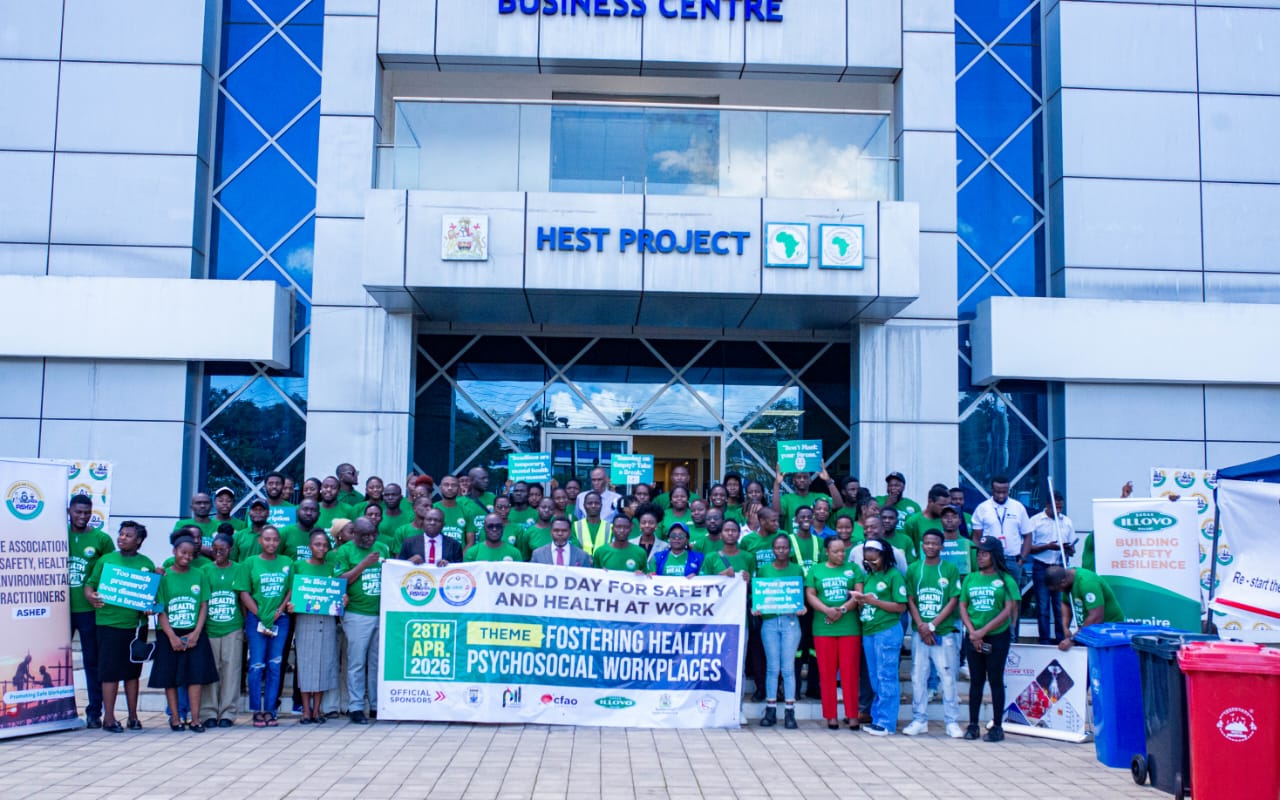
Occupational health is a key component of workplace success, focusing on the protection and promotion of workers’ physical, mental, and social well-being. As organizations continue to evolve, maintaining a healthy workforce has become essential for improving productivity, reducing workplace risks, and creating environments where employees can perform at their best.
What Is Occupational Health?
Occupational health focuses on identifying, preventing, and managing workplace factors that may affect employees’ health. It involves understanding how work activities, workplace conditions, and organizational practices influence the well-being of workers.
Unlike traditional approaches that focus only on treating injuries and illnesses after they occur, occupational health takes a proactive approach by identifying risks early and implementing measures to prevent harm.
Key areas of occupational health include:
- Workplace health risk assessments
- Prevention of occupational diseases
- Employee wellness programs
- Mental health and psychosocial support
- Ergonomics and workplace design
- Health monitoring and medical surveillance
- Exposure control for workplace hazards
Why Occupational Health Matters
A healthy workforce is fundamental to a successful organization. Poor workplace health can lead to increased absenteeism, reduced productivity, employee dissatisfaction, and higher operational costs.
Effective occupational health programs help organizations:
Prevent Workplace Illnesses
Workers may be exposed to various hazards, including chemicals, noise, dust, repetitive movements, stress, and biological agents. Identifying these hazards and applying appropriate controls helps prevent occupational illnesses.
Promote Employee Well-Being
Occupational health goes beyond physical safety. It also addresses mental health, work-related stress, fatigue management, and creating supportive workplace environments where employees feel valued.
Improve Productivity and Performance
Employees who work in healthy environments are more engaged, motivated, and productive. Organizations that invest in occupational health often experience improved morale and stronger employee retention.
Common Occupational Health Challenges
Modern workplaces face a wide range of health challenges, including:
- Work-related stress and burnout
- Musculoskeletal disorders caused by poor ergonomics
- Exposure to hazardous substances
- Noise-induced hearing problems
- Fatigue caused by demanding work schedules
- Workplace-related anxiety and mental health concerns
Addressing these challenges requires a combination of effective policies, employee education, leadership commitment, and continuous improvement.
Building a Strong Occupational Health Culture
Creating a positive occupational health culture requires everyone in an organization to play a role. Employers must provide safe working conditions, while employees should actively participate in health and safety initiatives.
Organizations can strengthen occupational health by:
- Conducting regular workplace health assessments
- Providing appropriate training and awareness programs
- Encouraging employees to report health concerns
- Promoting healthy workplace behaviors
- Providing access to wellness resources and support
The Future of Occupational Health
As workplaces continue to change, occupational health will remain a critical priority. Advances in technology, increased awareness of mental health, and stronger focus on employee well-being are shaping the future of workplace health management.
Organizations that prioritize occupational health are not only protecting their employees but also building more resilient, sustainable, and successful workplaces.
Conclusion
Occupational health is an investment in people. By identifying risks, promoting wellness, and creating supportive working environments, organizations can protect their workforce and improve long-term performance.
A healthy workplace is not achieved through one action—it is built through continuous commitment, collaboration, and a culture where employee well-being is valued every day.